We call on the whole of society to respond actively. Starting with saving one kilowatt-hour of electricity or one drop of water, let us practice a green lifestyle through concrete actions and contribute our part to building a Beautiful China.

With the theme "Energy Conservation & Carbon Reduction: We Walk Together", this year’s Energy Conservation Publicity Week encourages us all to start with small acts, fully embrace the concept of low-carbon living, and use our little efforts to cool the planet and build up energy for the future.

To popularize knowledge on climate change, promote the concept and policies of low-carbon development, encourage public participation, and advance the task of controlling greenhouse gas emissions, the executive meeting of the State Council on September 19, 2012, heard a work report on the Grain for Green Program and approved the Phase II Plan for Combating Sandstorms in the Beijing-Tianjin Sand Source Region (2013–2022). The meeting decided that starting from 2013, the third day of the National Energy Conservation Publicity Week would be designated as National Low-Carbon Day. This day is intended to uphold the people-centered philosophy and strengthen publicity and education on climate change adaptation as well as disaster prevention and mitigation.
In recent years, guided by the "dual carbon" goals, China has taken solid strides in promoting green transition:
Accelerated Implementation of Top-Level Design: From the 14th Five-Year Plan for Comprehensive Energy Conservation and Emission Reduction Work to the Implementation Plan for Synergizing Pollution Reduction and Carbon Reduction, the policy framework has been continuously improved. Clear targets have been set: by 2025, energy consumption per unit of GDP will be reduced by 13.5% and carbon dioxide emissions per unit of GDP will be cut by 18%.
Full-Speed Industrial Transformation: The installed capacity of new energy has exceeded 1 billion kilowatts, with renewable energy accounting for over 30% of the total power generation. The carbon market covers enterprises with a total carbon emission volume of over 5 billion tons, driving emission reduction through market-oriented means.
Pioneering Low-Carbon City Pilots: More than 100 cities including Beijing and Shenzhen have launched low-carbon pilot programs. Innovative technologies such as photovoltaic buildings and smart power grids have been promoted to create model "zero-carbon communities".
Highlighted Policy Initiatives: The newly revised Guidelines for Citizens’ Green and Low-Carbon Behaviors in 2023 incorporated 30 daily scenarios such as "paperless office" and "recycling of used items" into the norms for the first time, providing clear standards for low-carbon living. The 2025 Government Work Report further outlined a series of arrangements for the "dual carbon" work, including improving the dual-control system for carbon emissions, expanding the industry coverage of the national carbon emission trading market, establishing a product carbon footprint management system and a carbon label certification system. These measures provide clear directions and norms for the low-carbon transition of enterprises and industries. Meanwhile, solid progress has been made in launching the second batch of national carbon peaking pilots, building a number of zero-carbon parks and factories, and encouraging enterprises to actively explore low-carbon production models. Pilot demonstrations for low-carbon transformation of coal-fired power plants will be carried out, demonstration projects of advanced green and low-carbon technologies will be implemented, and new growth drivers such as green buildings will be fostered, providing policy support for the innovation and application of low-carbon technologies.
Take an active part in energy conservation and emission reduction, and earnestly embrace low-carbon living! We hereby advocate that everyone adopt a healthy, simple, green and low-carbon lifestyle, popularize environmental protection knowledge, promote the concept of low-carbon development, and lead a healthy fashion.
Green Office

Make full use of natural light and adopt energy-saving lighting fixtures. Turn off lights and power sources when leaving the office to reduce standby energy consumption.
Refill and reuse ink and toner cartridges for printers, copiers and fax machines after use.
Set air conditioner temperature at a reasonable level and minimize the duration of air conditioner use.
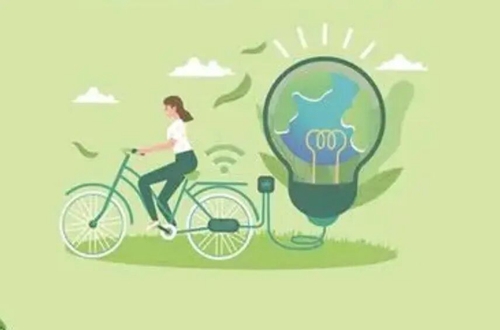
Green Travel
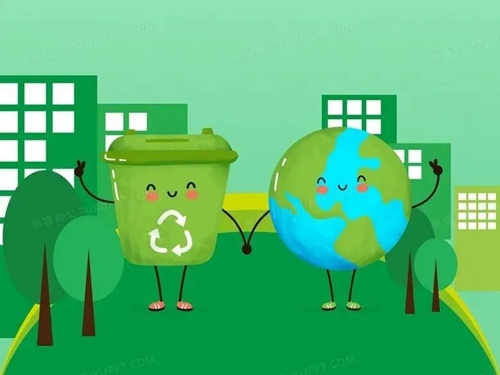
Waste Sorting
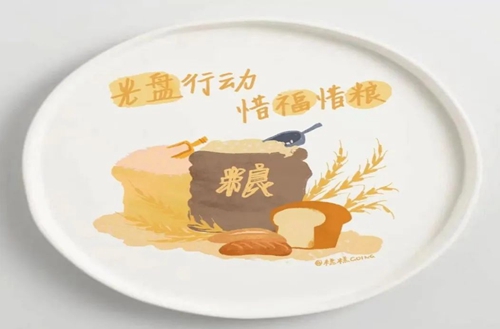
Practice the "Clean Plate Campaign"
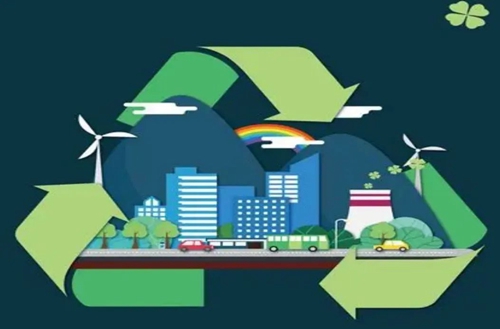
Resource Recycling and Reuse
When we choose a low-carbon lifestyle, we are not only protecting the present, but also investing in the future:
If every person in China saves 1 kilowatt-hour of electricity per day, the annual carbon reduction will be equivalent to planting 6 billion trees.
The green industry has created over one million jobs, with China leading the world in sectors such as new energy vehicles and photovoltaics.
For every 10 μg/m³ decrease in PM2.5 concentration, the incidence of respiratory diseases drops by approximately 6%.
Special Reminder: Low-carbon living is not a "sacrifice", but a smarter way of living—enjoy delicious food with biodegradable tableware, embrace the freedom of reading with e-books, revitalize idle resources through second-hand transactions... Technology is making green living more convenient.
Energy conservation and emission reduction benefit the country and its people. Let us take prompt action to be advocates, practitioners and models of a diligent and thrifty lifestyle, create a strong atmosphere where everyone prioritizes energy conservation and emission reduction, and make positive contributions to China’s energy conservation efforts!