To protect wild animals, save rare and endangered wild animals, maintain biodiversity and ecological balance, promote ecological civilization construction, and advance the harmonious coexistence between humans and nature, the Wildlife Protection Law of the People's Republic of China, revised for the second time at the 38th meeting of the Standing Committee of the 13th National People's Congress on December 30, 2022, has been implemented since May 1, 2023.
Today, through a series of comics, we will learn together about wildlife protection:
What legal "red lines" must not be crossed?
Can Wild Animals Be Traded?

Article 6 of the Wildlife Protection Law of the People's Republic of China stipulates: All organizations and individuals have the obligation to protect wild animals and their habitats. It is prohibited to illegally hunt, transport, or trade wild animals, and to destroy the habitats of wild animals.
The public should raise their awareness of protecting wild animals and safeguarding public health security, prevent the spread of wildlife-borne infectious diseases, resist the illegal consumption of wild animals, and develop a civilized and healthy lifestyle. All organizations and individuals have the right to report acts in violation of this Law. The competent departments for wildlife protection of the people's governments at or above the county level and other relevant departments that receive such reports shall handle them in a timely manner in accordance with the law.
Article 31 of the Wildlife Protection Law of the People's Republic of China stipulates:
It is prohibited to consume wild animals under special state protection, terrestrial wild animals of important ecological, scientific, and social value protected by the state, and other terrestrial wild animals.
It is prohibited to hunt, trade, or transport the wild animals specified in the preceding paragraph that grow and reproduce naturally in the wild environment for the purpose of consumption.
It is prohibited to produce or sell food made from the wild animals specified in the first paragraph of this Article and their products.
It is prohibited to illegally purchase the wild animals specified in the first paragraph of this Article and their products for the purpose of consumption.
Can Wild Animals Be Checked for Shipment?

Article 34 of the Wildlife Protection Law of the People's Republic of China stipulates:
To transport, carry, or mail wild animals under special state protection and their products, or wild animals and their products removed from the list of wild animals under special state protection in accordance with the provisions of the second paragraph of Article 29 of this Law out of the county where they are located, one shall hold or attach the duplicates of the permits or approval documents, or special marks as specified in Articles 21, 25, 28, or 29 of this Law.
To transport, carry, or mail terrestrial wild animals of important ecological, scientific, and social value, wild animals under special local protection, or wild animals removed from the list of terrestrial wild animals of important ecological, scientific, and social value in accordance with the provisions of the second paragraph of Article 29 of this Law out of the county where they are located, one shall hold legal certificates of origin such as hunting, artificial breeding, import and export certificates, or special marks.
To transport, carry, or mail the wild animals specified in the preceding two paragraphs out of the county where they are located, one shall also attach a quarantine certificate in accordance with the provisions of the Animal Epidemic Prevention Law of the People's Republic of China.
Railway, highway, water transport, civil aviation, postal, and courier enterprises shall inspect the relevant certificates, duplicates of documents, or special marks when handling the consignment, carrying, or mailing of wild animals and their products, and shall not undertake the transportation or mailing of those that do not meet the requirements.
Can Wild Animals Be Killed?
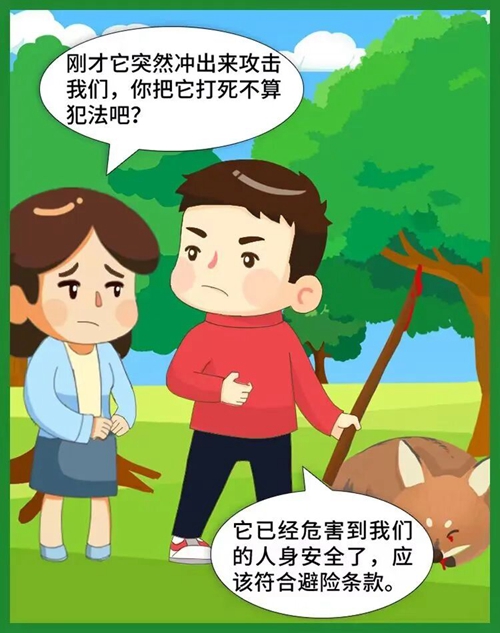
Article 19 of the Wildlife Protection Law of the People's Republic of China stipulates: Where the protection of wild animals as prescribed in this Law causes personal injury or death, crop damage, or damage to other property, the local people's government shall make compensation. The specific measures shall be formulated by the people's governments of provinces, autonomous regions, and municipalities directly under the Central Government. Relevant local people's governments may encourage insurance institutions to develop insurance businesses for compensation for damages caused by wild animals. The funds needed by relevant local people's governments to take measures to prevent and control the harms caused by wild animals under special state protection and other terrestrial wild animals that cause serious damages, as well as to implement compensation, shall be subsidized by the central finance. The specific measures shall be formulated by the financial department of the State Council in conjunction with the competent department for wildlife protection of the State Council.
In case of emergency where wild animals endanger personal safety, those who take measures causing harm to wild animals shall not bear legal liability in accordance with the law.
Can Humans Get Close to Wild Animals?
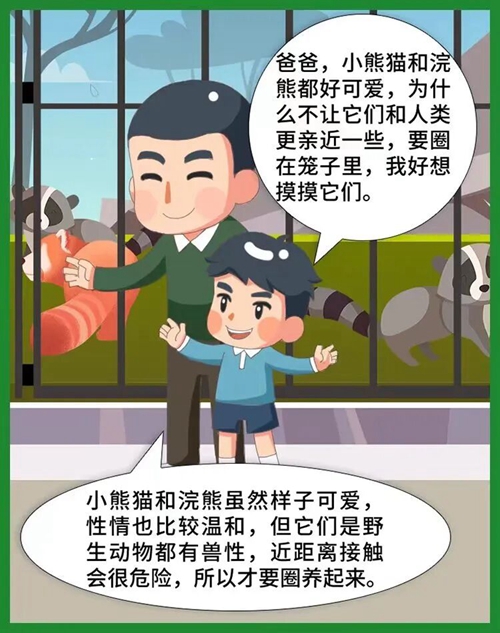
Article 27 of the Wildlife Protection Law of the People's Republic of China stipulates: Safety measures shall be taken in the artificial breeding of wild animals to prevent them from injuring humans and escaping. Where artificially bred wild animals cause harm to others, endanger public security, or damage the ecosystem, the breeders, managers, etc., shall bear legal liability in accordance with the law.
Can Wild Animals Be Introduced from Abroad?

Article 40 of the Wildlife Protection Law of the People's Republic of China stipulates:
To introduce wildlife species from abroad, approval shall be obtained from the competent department for wildlife protection of the State Council. To introduce wildlife included in the list specified in the first paragraph of Article 37 of this Law from abroad, a certificate of permission for import and export shall also be obtained in accordance with the law. The customs shall conduct entry quarantine based on the import approval documents or certificates of permission for import and export, and complete other customs procedures in accordance with the law.
To introduce wildlife species from abroad, safe and reliable preventive measures shall be taken to prevent them from entering the wild environment and avoid endangering the ecosystem; it is prohibited to release or discard them illegally. Where it is really necessary to release them into the wild environment, the provisions of relevant laws and regulations shall be complied with.
Where wildlife introduced from abroad is found to cause harm to the ecosystem, the competent departments for wildlife protection and other relevant departments of the people's governments at or above the county level shall take corresponding safety control measures.