In the morning mist, Jiang Gui, a forest ranger, always treads lightly along the patrol path in Jiaodebu Forest Farm of Wudalianchi Global Geopark. In the April woods, the clear and melodious chirps of red-crowned cranes ring out as the morning light breaks. Small flocks of them stroll freely across the meadows, occasionally spreading their wings and gliding over his head. "They recognize this ranger uniform," Jiang Gui said with a smile. "They come here every year, just like keeping an appointment with an old friend. They will be more active in May, when the azaleas are in full bloom—flying around like drifting rosy clouds."
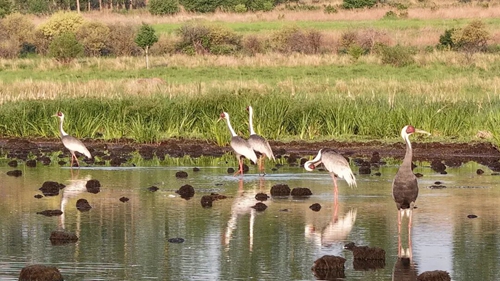
Several kilometers away lies the Common Crane Wetland, where a telephoto lens waits quietly in the early dawn. In the viewfinder of photographer Dai Chun, the Oriental stork, a national first-class protected animal, glides gracefully, while flocks of common cranes dip their heads to forage in the shallow water, their wings stirring ripples of light on the surface. "My camera has been busier these years," he whispered, the joy spreading across his face. "New fledglings join the group every year. To record this vitality from a distance is to create the best work."
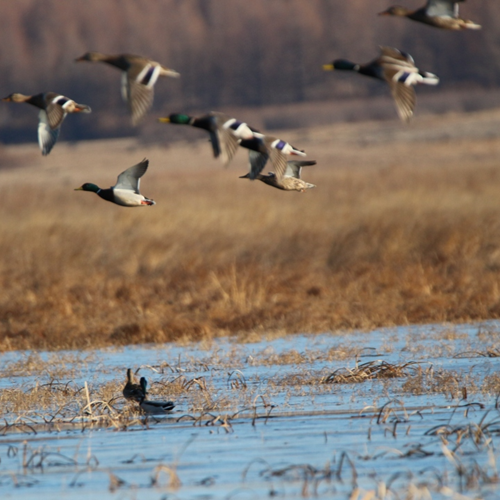
Every March, returning northern common cranes arrive with flapping wings. By April, they gather in grand flocks of several hundred, with some choosing to build nests and reproduce here. In September, they fly south again with their chicks, turning the wetland into a bustling "aviation hub". Red-crowned cranes and white-naped cranes follow closely behind; wild geese and ducks skim across the water, leaving silvery trails; the wings of white-tailed sea eagles cast imposing shadows against the blue sky.
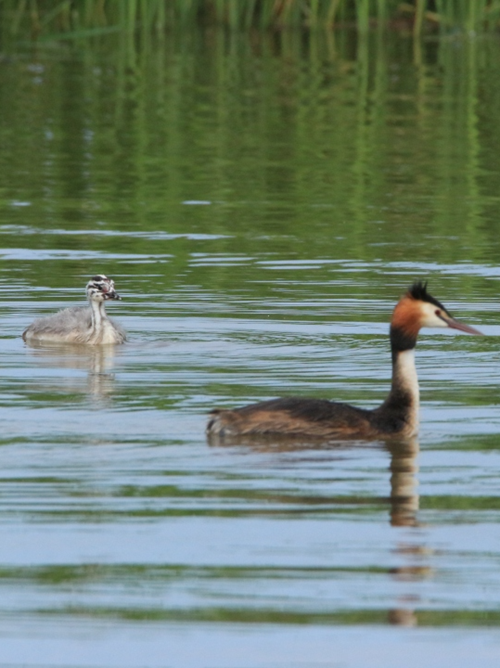
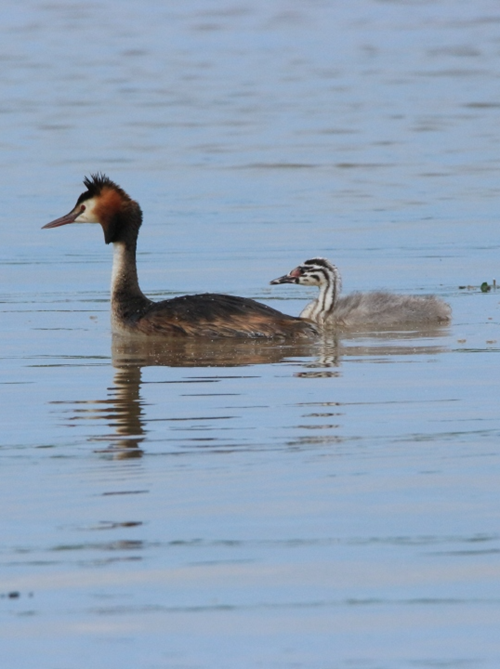
More than 300 species of birds inhabit the entire Wudalianchi Nature Reserve, and the Common Crane Wetland is just like a beaded ecological necklace studded with treasures. In autumn, at Longmen Stone Village, Bohemian waxwings hop onto the rowan trees heavy with orange fruits, like flickering flames. On the water surface of the Third Lake at the foot of Huoshaoshan Mountain, great crested grebes swim leisurely with their fluffy chicks in tow.
Volcanoes have created the wonders of Wudalianchi, and the choices of living beings have written the most touching footnote for it. As the cries of cranes drift over the ancient lava plateau, these mountains and rivers are proving with vibrant vitality that the most precious treasure will always be the right and future of all things coexisting in harmony.