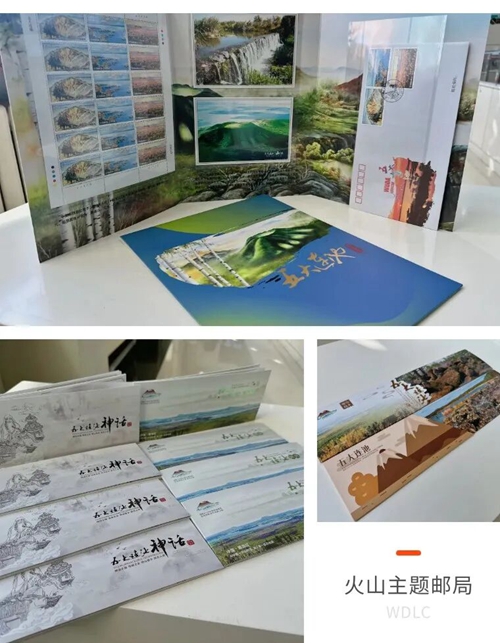
A stamp is a symbol of faith;
To see a stamp is to see the sincerity it holds.
In ancient times, people used seals as credentials to uphold their integrity.
In recent years, a stamp-collecting craze has swept across China.
For stamp enthusiasts, these stamps have become
an object of collection and a carrier of culture.
To satisfy the public’s passion for stamp collecting,
including Laoheishan Mountain, Wenpo Lake and North Mineral Spring.
Located in the north-central part of Heilongjiang Province, Wudalianchi Global Geopark is world-famous for its most magnificent volcanic wonders, rarest mineral spring treasures, most comprehensive wellness and therapeutic environment, richest mineral spring food and beverage resources, and most distinctive volcanic mineral spring culture.
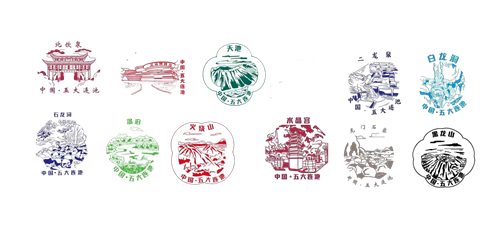
The 11 newly launched commemorative stamps are innovatively designed based on Wudalianchi’s unique volcanic culture. Do you know the stories behind these stamps?
Laoheishan Mountain
Laoheishan Mountain and Huoshaoshan Mountain form the core area of Wudalianchi, covering a total landscape area of 50 square kilometers. Formed over 280 years ago, they are the youngest volcanoes in China.
Wenpo Lake
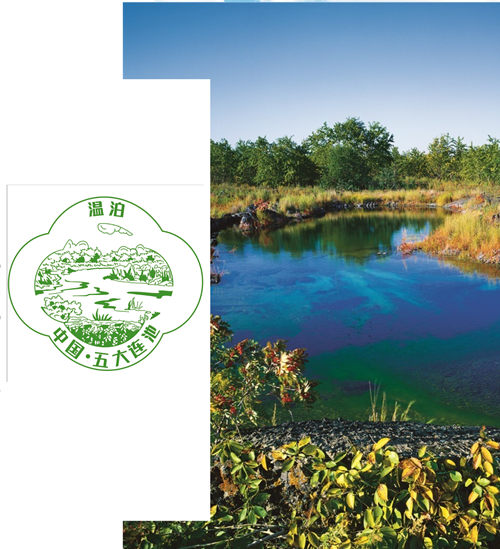
Known as a pearl on the picturesque Shilong River, Wenpo Lake is a bonsai-like volcanic wonder. Stretching over 1,200 meters in length, it has an average depth of 0.8 meters and a maximum depth of around 2 meters. The water temperature of Wenpo Lake remains at approximately 14℃ all year round.
Longmen Stone Village
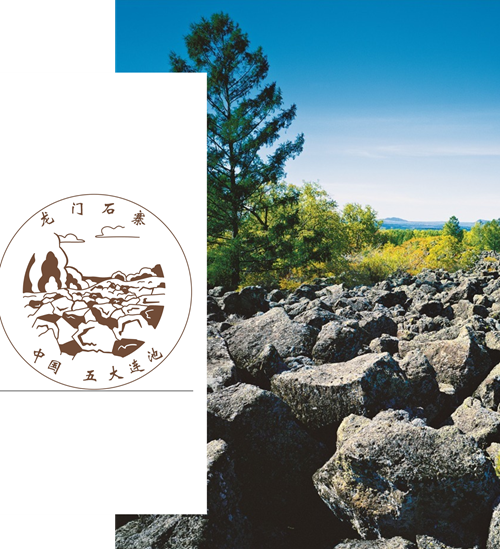
Eastern and Western Longmen Mountains, which erupted 9.8 million years ago, are twin peaks standing majestically. Looking up from the foot of the mountains, they resemble steps reaching straight into the sky. The two mountains are nearly 200 meters apart.
Eastern Longmen Mountain, with an altitude of 577.4 meters, is composed of black pumice and volcanic gravel, capped with purple-red vitreous massive lava. Western Longmen Mountain stands at 581.4 meters above sea level; its cone is mainly made up of red pumice, with its southern part consisting of black basalt and a relatively flat crater.
Both mountains are covered with vegetation, and their slopes are blanketed with vast lava fields, collectively forming a unique ancient landscape in the Wudalianchi Volcanic Group—Longmen Stone Village.
Gelaqiu Mountain Tianchi Lake
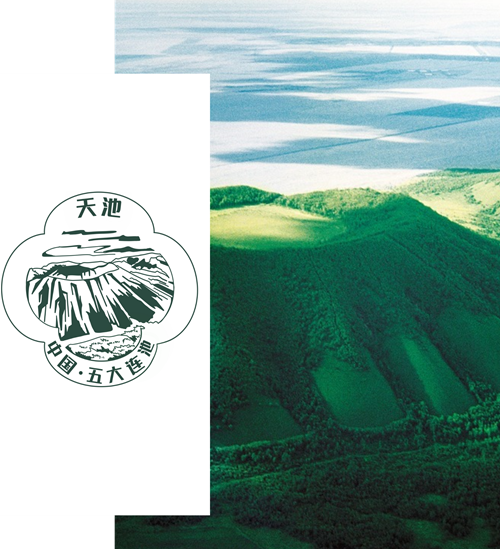
At the summit of South Gelaqiu Mountain lies a basin-shaped volcanic crater with a diameter of over 150 meters. Once filled with a mysterious sacred lake accumulated over more than a million years, the lake was over ten meters deep, unfrozen all year round, and as clear as a mirror.
Legend has it that this is the Tianchi Lake where the Seven Fairies used to bathe, and it is also the world’s only exquisitely crafted "volcanic Tianchi Lake bonsai".
North Spring
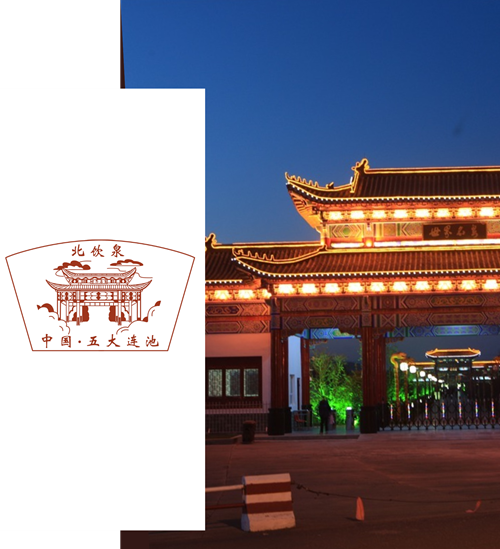
As the north garden of the Mineral Spring Wellness and Healthcare Zone, North Spring is also known as Yishen Garden (Garden of Vitality). Boasting nine major scenic spots, it offers visitors a chance to taste mineral water with a different flavor from that of South Spring, as well as to admire the architecture featuring northern Chinese classical garden style.
Covering an area of about four square kilometers, this scenic spot is an integrated land-water landscape composed of lava plateaus, wetland scenery, Yaoquan Lake and Yaoquan River.
Crystal Palace
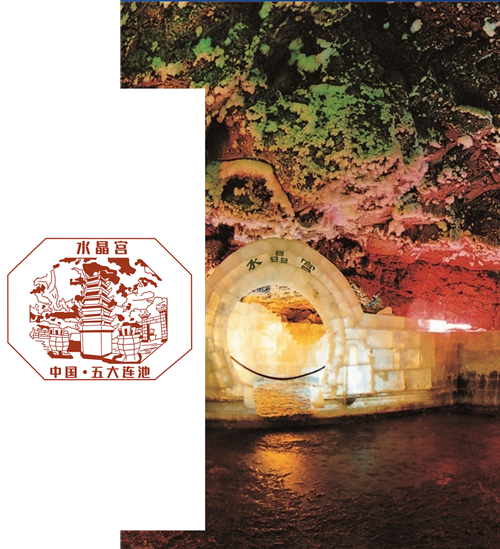
Extending over 150 meters in length and 23 meters in depth, Crystal Palace maintains an average temperature of -5℃ inside. Its walls are adorned with various oddly shaped lava formations, and its ceiling is hung with drooping lava stalactites.
What makes it even more fascinating is that the cave is covered with jade-like frost flowers—crystal clear, pure and elegant—with ten-thousand-year-old ice underfoot that never melts. Enjoying ice and snow in the scorching midsummer heat is one of the remarkable wonders of Wudalianchi.
White Dragon Cave
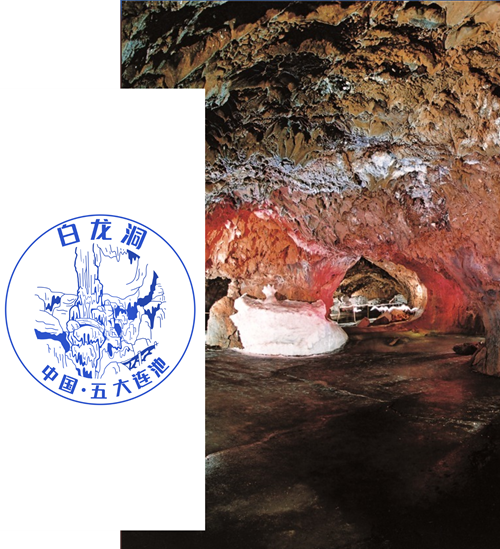
A lava cave dominated by frost and snow, White Dragon Cave stretches 515 meters in total length, making it a veritable underground glacier. Currently, 365 meters of the cave is open to the public, while the remaining 150 meters is designated as an exploration zone.
The temperature inside the cave stays at -12℃ all year round, and it is the longest volcanic lava tunnel discovered in China to date.
Huoshaoshan Mountain
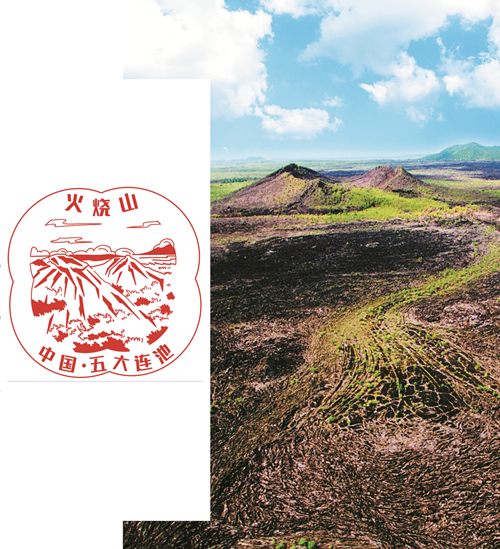
Erupted in 1721, Huoshaoshan Mountain is a fractured superimposed volcanic cone cluster, with its mountain body split into two halves and accompanied by several cinder cone secondary volcanoes. It stands at an elevation of 389 meters, with a cone height of 73 meters, and has two lava overflow outlets in the south and north.
The southern outlet is 100 meters wide, while the northern one is 45 meters wide. The lava flows outside the outlets surge like a mighty river, presenting a spectacular sight.
Shilong River
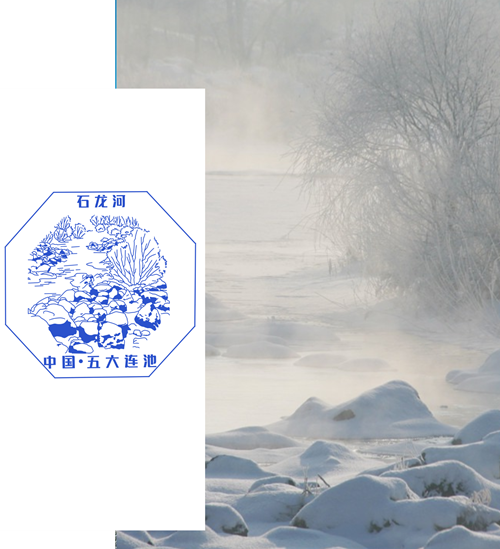
With a total length of 13 kilometers (26 li), Shilong River originates from Wudalianchi, flows through Yaoquan Town, merges with Yaoquan River at the end of the Shilong Lava Plateau to form a 5-kilometer (10-li) river, and finally empties into the Nenjiang River in the southwest direction.
Erlongyan Spring
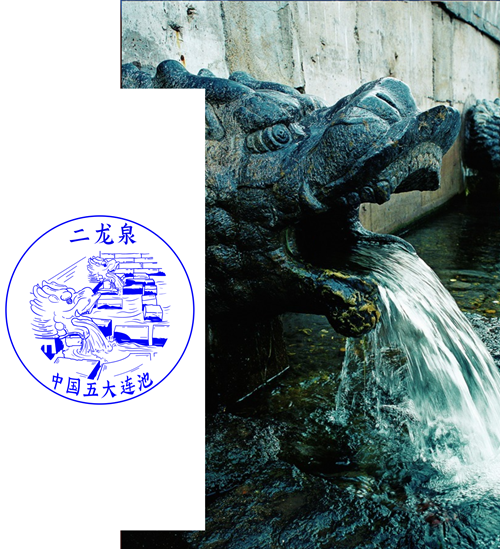
Also known as Eye-Washing Spring, Erlongyan Spring is a weakly alkaline mineral water (soda water). In addition to its therapeutic effects on ophthalmic diseases, it can particularly balance the weakly acidic internal environment of the human body, making it a miraculous water for health preservation, therapy and longevity.
Volcanic Geology Museum
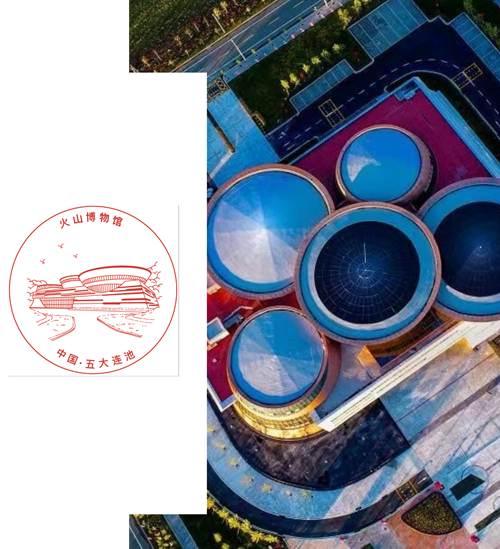
Located in the central area of the new town of Wudalianchi Global Geopark, the Volcanic Geology Museum covers a total land area of 26,400 square meters, with a total construction area of 15,000 square meters and an exhibition area of 8,500 square meters.
The Wudalianchi Volcano-themed Post Office has fully integrated postal culture with Wudalianchi’s distinctive cultural tourism resources. In addition to developing a series of Wudalianchi-themed postcards, it has also designed a variety of distinctive and engaging internet-famous stamps and seals featuring Wudalianchi’s volcanic landscapes and renowned scenic spots.